Baku Airport: Gateway to Azerbaijan’s Thriving Medical Tourism
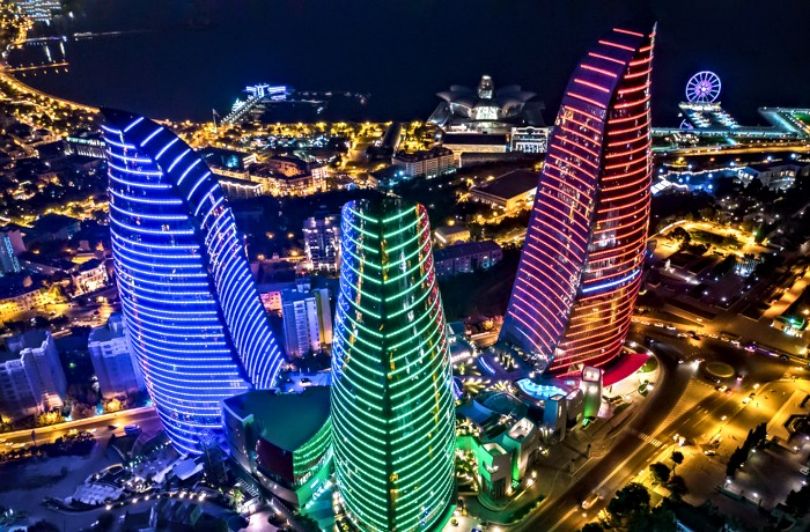
Heydar Aliyev International Airport (GYD) has long served as the front door to Azerbaijan’s capital. In 2026, that door is opening wider than ever — not just for leisure and business travellers, but for a fast-growing cohort of medical tourists drawn by competitive pricing, qualified specialists, and a unique portfolio of natural therapeutic assets that few destinations in the region can match.
Why Medical Tourists Are Flying to Baku
Azerbaijan sits at a compelling crossroads. Geographically positioned between Europe, Russia, and the wider Middle East, Baku is reachable from dozens of major cities in a matter of hours. Economically, the country offers healthcare pricing that undercuts Western Europe significantly while maintaining internationally trained medical staff and modern private hospital infrastructure. The combination has attracted patients from Russia, Ukraine, Georgia, Kazakhstan, Iran, and increasingly from Gulf states and Eastern Europe — all arriving through the single hub of GYD.
Medical tourism is not a niche pursuit here. Azerbaijan’s government has actively positioned the sector as a pillar of economic diversification, and private investment in hospital infrastructure has followed. The result is a destination that can credibly offer everything from a dental crown to a full cosmetic surgery package, alongside centuries-old balneological traditions that no clinic in Istanbul or Warsaw can replicate.
Azerbaijan’s Natural Medical Assets
Before the modern clinic era, Azerbaijan was already a destination for healing. The country’s natural therapeutic resources remain genuinely distinctive. Naftalan, roughly three hours west of Baku, is home to a crude oil unique in the world — naphthenic oil baths used therapeutically for musculoskeletal conditions, skin disorders, and post-surgical rehabilitation. Galaalti, in the northern Shabran district, draws visitors to its mineral-rich spring waters, with the Galaalti sanatorium offering structured treatment programmes. The Massalli region in the south is associated with mud spa therapies, while Shahdag in the Greater Caucasus mountains is increasingly promoted for mountain air therapy and respiratory wellness retreats. These assets give Azerbaijan a medical-tourism proposition that is genuinely irreplaceable.
Dental Tourism
Dental care is among the most active segments of Baku’s medical-tourism market. Private dental clinics in the capital — ranging from single-specialist practices to multi-chair modern facilities — have built a strong reputation particularly among Russian-speaking and CIS travellers. Procedures commonly sought include dental implants, veneers, crowns, orthodontic work, and full smile makeovers.
Pricing positions Baku competitively against Türkiye, which has dominated the regional dental-tourism conversation for the past decade. While Istanbul remains a major draw, Baku offers shorter flight times for travellers from Russia and Central Asia, no language barrier for Russian speakers, and a cost structure that many patients report as comparable or favourable. Baku dental clinics have invested in digital imaging, CAD/CAM crown milling, and international-standard sterilisation protocols to meet the expectations of cross-border patients.
Hair Transplant
Istanbul’s dominance in hair transplantation is well documented, but Baku is quietly building a competing cluster. A growing number of specialist hair-transplant clinics have opened in the capital, offering FUE (follicular unit extraction) and DHI (direct hair implantation) techniques performed by surgeons trained in Türkiye, Russia, and Europe. The target market is largely the same — men and women from CIS countries seeking an affordable, high-quality result — but Baku adds the advantage of cultural familiarity, Russian-language consultations, and the ability to combine the procedure with a broader Azerbaijani holiday or wellness stay. The sector is still maturing, but the trajectory is clear.
Cosmetic Surgery
Baku’s private cosmetic surgery sector covers the full range of procedures expected of a regional hub. Rhinoplasty is among the most requested operations, alongside blepharoplasty (eyelid surgery), breast augmentation and reduction, liposuction, abdominoplasty, and facial rejuvenation procedures including thread lifts and fat transfer. Several private clinics have dedicated cosmetic surgery departments with accredited anaesthesiology teams and post-operative recovery wards. Patients typically combine surgery with a recovery stay of one to two weeks in Baku, taking advantage of the city’s hotels, restaurants, and — for those who plan ahead — day trips to nearby natural wellness sites.
Wellness and Rehabilitation
For patients seeking rehabilitation rather than surgery, Azerbaijan’s sanatorium tradition offers something genuinely different. Naftalan, approximately three hours by road from Baku, is the centrepiece of this offer. The town’s sanatoriums have been welcoming patients for over a century, and the naphthenic oil bath — a treatment unique to this location — is prescribed for conditions including arthritis, psoriasis, and post-orthopaedic-surgery recovery. Stays are typically structured over one to three weeks, with daily therapeutic sessions supervised by resident physicians.
The Galaalti sanatorium in northern Azerbaijan offers mineral water therapies and a quieter, mountain-adjacent environment suited to longer recuperation programmes. Both destinations are accessible from Baku Airport, making GYD the natural entry point for patients combining urban clinic treatment with a rural rehabilitation phase.
Major Hospitals and Clinics in Baku
Baku’s private hospital sector has developed rapidly. Among the most prominent facilities, Bona Dea International Hospital is widely regarded as one of the country’s leading private hospitals, offering multi-specialty care including cardiology, oncology, and surgical services. Its associated brand, Liv Bona Dea, extends the network with additional clinical capacity. The Central Hospital of Oilworkers (Neftçilər Mərkəzi Xəstəxanası) carries a long institutional history and broad clinical range, while Caspian International Hospital has positioned itself as a modern, internationally oriented facility attracting both local and cross-border patients. Beyond these anchor institutions, Baku hosts numerous specialist private clinics in dentistry, ophthalmology, reproductive medicine, and cosmetic surgery that collectively form a diverse medical-tourism ecosystem.
Why the Airport Matters
Virtually every international medical tourist entering Azerbaijan arrives through Heydar Aliyev International Airport. GYD’s expanding route network — connecting Baku to Moscow, Istanbul, Dubai, Tehran, Almaty, Kyiv, and a growing list of European cities — means that the airport’s reach directly determines the catchment area for Azerbaijani healthcare providers. Investments in terminal capacity, transit facilities, and ground transport links from the airport to the city are therefore not merely aviation infrastructure decisions; they are medical-tourism policy decisions. A smooth, well-connected airport experience sets the tone for the entire patient journey, and Azerbaijan’s aviation authorities have recognised this link explicitly in recent years.
How to Plan a Medical-Tourism Trip
Planning a medical trip to Baku requires attention to a few key logistics. Visa requirements vary by nationality — citizens of many CIS countries and a growing number of other states can enter Azerbaijan visa-free or obtain an e-visa, but patients should verify their status in advance via our visa information page. For flights, browse current routes and connections on our destinations guide to identify the most convenient routing from your origin city.
Once in Baku, accommodation near your clinic is advisable, particularly for procedures requiring follow-up appointments. The city’s hotel stock ranges from international five-star brands to comfortable mid-range options within easy reach of the main private hospital district. Factor in a realistic recovery period before your return flight — cosmetic surgery patients in particular should allow sufficient time before flying, and should confirm this window with their surgeon at the consultation stage.
Practical Logistics
Azerbaijan’s currency is the Azerbaijani manat (AZN). Major private clinics in Baku accept card payments, and ATMs are widely available in the city. On the language front, medical tourists from CIS countries will find Baku particularly accessible: Russian is widely spoken across the private medical sector, and English proficiency is increasingly common among specialist physicians and clinic coordinators. Translation support is generally available for patients arriving without either language. Standard international health insurance may not cover elective procedures abroad, so patients should clarify payment arrangements with their chosen clinic before travel.
Start Planning Your Medical Journey
Azerbaijan’s medical-tourism sector is no longer an emerging story — it is an established and growing reality, anchored by a unique combination of modern private hospitals, competitive pricing, and natural therapeutic assets that exist nowhere else on earth. Heydar Aliyev International Airport is the point where that story begins for every international patient who makes the journey.
Plan your Baku medical-tourism trip — flights, hotels and clinic transfers — through Max Travel. Stay connected for clinic appointments and follow-ups with a DataMax eSIM.