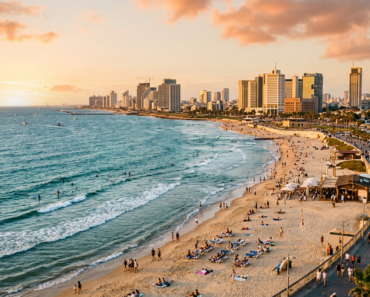
Flights from Baku to Antalya — Heydar Aliyev (GYD) to Antalya (AYT)
Flying from Baku to Antalya
The Baku–Antalya corridor is one of the busiest leisure routes out of Heydar Aliyev International Airport (GYD), and it is easy to see why. Antalya sits on Turkey’s turquoise Mediterranean coast, roughly 3 hours from Baku by air, making it one of the most accessible sun-and-sea destinations for Azerbaijani travellers. Whether you are heading for a week on the Aegean-kissed beaches, a city break in the old town, or a package holiday at one of the sprawling resort complexes along the Lykian coast, the flight is short enough to feel like a regional hop yet long enough to arrive somewhere genuinely different.
The route is served by a healthy mix of carriers. AZAL (Azerbaijan Airlines) operates scheduled services year-round, while Buta Airways — AZAL’s low-cost subsidiary — adds capacity, particularly during the summer peak. Turkish Airlines connects Baku and Antalya with its characteristic reliability, and AnadoluJet typically enters the market on a seasonal basis when demand spikes between late spring and early autumn. Combined, passengers can expect typically three to five departures per day during the high season, tapering to one or two in the quieter winter months. All departing flights from Baku use the main international terminal at GYD — the airport has a single passenger terminal building, so there is no ambiguity about where to check in. At the Antalya end, the vast majority of international arrivals, including those from Baku, are processed through Terminal 1 (AYT), which handles non-Schengen international traffic. Block time on the route runs at around three hours, though scheduling buffers can push the total journey to closer to three and a half hours gate to gate.
About Antalya
Antalya is Turkey’s fifth-largest city and the undisputed capital of the country’s Mediterranean tourism belt. Situated on a broad bay framed by the Taurus Mountains, the city proper is home to well over a million residents, while the wider Antalya province swells dramatically each summer as it absorbs tens of millions of international visitors — making it one of the most visited destinations in the entire world. The official language is Turkish, the currency is the Turkish Lira (TRY), and the climate is classically Mediterranean: hot, dry summers from May through October and mild, occasionally wet winters. English is widely spoken in tourist areas, and Russian remains a practical second language in the resort zones, which is useful context for many travellers from the South Caucasus region.
People visit Antalya for an unusually wide range of reasons. Leisure travellers come for the beaches — Konyaaltı and Lara are the city’s two main urban strands — and for the all-inclusive resorts that line the coast from Belek to Kemer. History enthusiasts are drawn to Kaleiçi, the remarkably intact Roman and Ottoman old town, and to nearby archaeological sites including Perge, Aspendos, and Termessos. A smaller but growing segment of Azerbaijani visitors comes for medical tourism, private healthcare, and real-estate investment, reflecting the broader economic ties between the two countries. For transit passengers, Antalya Airport also functions as a convenient hub for onward connections to European charter destinations.
Visa for Azerbaijani and regional travellers visiting Antalya
Citizens of Azerbaijan can enter Turkey visa-free for stays of up to 90 days within any 180-day period, making the Baku–Antalya route particularly frictionless for leisure and short-stay business travel. Travellers should ensure their passport is valid for at least six months beyond the intended date of entry. Citizens of other countries in the region — Georgia, Kazakhstan, and Ukraine, for example — have their own bilateral arrangements with Turkey that differ in detail, so it is worth checking your specific nationality before booking. For the latest visa rules, see our visa information page.
Getting around Antalya
Antalya Airport (AYT) sits roughly 13 kilometres east of the city centre, and getting into town is straightforward. The Antalya Tramway (Tram Line 1) connects the airport to the city’s main tram network, with a change at Fatih allowing onward travel to the old town and the Konyaaltı seafront — it is slow but cheap and reliable. Havas airport buses run express services to the city centre and to several major hotel zones, departing in alignment with flight arrivals. Taxis are plentiful at the arrivals exit; agree on a metered fare or confirm the price before departure, as unmetered rides to tourists are a known issue. Ride-hailing is available through BiTaksi, Turkey’s dominant app-based taxi platform, which works well in Antalya and allows fare estimation in advance. For resort areas like Belek, Kemer, or Side — which lie outside the city — a pre-booked private transfer or rental car is the most practical option, and many package operators include this in their pricing.
Where to stay in Antalya
Antalya’s accommodation landscape is broad enough to suit almost every travel style, and choosing the right zone matters as much as choosing the right hotel. Kaleiçi, the walled old town, is the most atmospheric base for independent travellers and couples — boutique guesthouses occupy restored Ottoman mansions, and the Roman harbour is a short walk from most front doors. Konyaaltı, the long pebble beach district to the west of the city centre, suits travellers who want urban convenience alongside beach access, with a mix of mid-range hotels and apartment rentals lining the coastal boulevard. Lara, east of the city, is the heartland of the large-format all-inclusive resort — sprawling complexes with private beaches, multiple pools, and extensive entertainment programmes that appeal to families and group travellers. Belek, further east along the coast, is Turkey’s premium golf and luxury resort corridor, with a concentration of five-star properties and championship courses that attract a more upscale clientele. Finally, Kemer, to the southwest, offers a quieter, pine-forested alternative with good snorkelling and a more relaxed pace. Most Baku-based travellers book Antalya hotels through Max Travel, which handles flight + hotel packages from Azerbaijan.
Things to do in Antalya
Kaleiçi Old Town — Antalya’s Roman-era walled quarter, home to Hadrian’s Gate, the fluted Yivli Minaret, and a harbour that has been in continuous use for two millennia. Antalya Museum — one of Turkey’s finest archaeological collections, housing statuary and artefacts from the region’s Lycian, Roman, and Byzantine periods. Düden Waterfalls — a pair of dramatic cascades on the city’s eastern edge, where the upper falls plunge through a forested gorge and the lower falls drop directly into the Mediterranean from a coastal cliff. Aspendos Theatre — a remarkably preserved Roman amphitheatre roughly 47 kilometres east of the city, still used for opera and ballet performances in summer. Termessos — a ruined Pisidian city perched high in the Taurus Mountains inside a national park, offering serious hiking and extraordinary panoramic views. Konyaaltı Beach Park — the city’s main public beach, well-organised with free access, water sports rentals, and a long promenade that comes alive in the evenings.
Food and dining in Antalya
Antalya sits at the heart of what food writers sometimes call the Turkish Riviera kitchen — a cuisine built on fresh Mediterranean fish, wood-fired flatbreads, slow-cooked lamb, and an extraordinary abundance of local produce including citrus, pomegranate, and wild herbs from the Taurus foothills. Piyaz, a white bean salad dressed with tahini and vinegar, is the dish most associated with the region and appears on almost every local table. Seafood is excellent along the harbour and coastal neighbourhoods, with sea bass, sea bream, and red mullet typically grilled simply and served with seasonal vegetables. The city also has a strong tradition of kebab culture inherited from inland Anatolia, and the bazaar areas around the old town are good hunting grounds for börek, gözleme, and freshly squeezed pomegranate juice.
For the best dining experiences, travellers should look beyond the resort buffets and explore the restaurants clustered around the Roman harbour in Kaleiçi, where family-run meyhanes serve meze spreads alongside local wine and rakı. The Konyaaltı promenade has a good selection of casual fish restaurants with sea views. Travellers from Azerbaijan will find the flavour profiles — the emphasis on grilled meats, fresh herbs, and yoghurt-based accompaniments — pleasantly familiar, while the Mediterranean ingredients add genuine novelty. Vegetarians are well catered for in the city, less so in the resort all-inclusives.
Staying connected in Antalya
Travellers landing in Antalya can avoid roaming charges by buying a local data eSIM before they fly. DataMax provides ready-to-activate eSIMs for Turkey and Türkiye, working from the moment you land. This is particularly useful given that Turkish SIM cards purchased at the airport require passport registration and can involve a queue on busy arrival days. For travellers who want a single point of purchase, Max Travel also offers bundled flight and eSIM packages, so you can arrive with your data plan already sorted alongside your accommodation and transfers.
Practical tips for Baku travellers visiting Antalya
- Currency: The Turkish Lira (TRY) is the local currency. ATMs are widely available throughout the city and resort areas; withdrawing lira locally typically gives a better rate than exchanging Azerbaijani manat before departure. Major cards are accepted in most hotels, restaurants, and shops.
- Power plugs: Turkey uses the Type F (Schuko) plug, the same standard used in Azerbaijan, so no adaptor is needed for most Azerbaijani travellers.
- Safety: Antalya is a well-policed, tourist-accustomed city and is generally considered safe for solo travellers, families, and couples. Standard urban precautions apply in busy market areas — keep an eye on bags and be alert to overpriced taxi rides.
- Tipping: Tipping is customary in Turkey. Rounding up a restaurant bill or leaving 10–15% is standard practice in sit-down restaurants; a small tip for hotel housekeeping and taxi drivers is appreciated but not obligatory.
- Language: Turkish is the official language. In tourist areas, English is widely spoken; Russian is also useful in resort zones. A handful of basic Turkish phrases — teşekkürler (thank you), lütfen (please), merhaba (hello) — are warmly received.
- Time zone: Turkey operates on UTC+3 year-round, the same time zone as Azerbaijan, which means no jet-lag adjustment on arrival.
How to book this trip
With direct flights operating year-round from Heydar Aliyev International Airport (GYD) and a destination that genuinely rewards both first-time and repeat visitors, the Baku–Antalya route is one of the easiest international trips to plan from Azerbaijan. The most efficient approach is to bundle your flight, airport transfer, and accommodation into a single booking — this avoids the coordination headaches that come with piecing together a trip from multiple providers, and typically offers better value during the peak summer season when hotel availability tightens quickly. Sort out your connectivity before departure so you land ready to go rather than hunting for a SIM card in the arrivals hall. Book your flight from Baku to Antalya, plus airport transfer and hotel, through Max Travel. Get a Turkey eSIM through DataMax before you fly.